


Inherited Pieces Handled With Professional Care
Estate Jewelry in Moline for vintage items, antique collections, and family pieces requiring sensitive evaluation
Estate jewelry carries history, craftsmanship, and often material value that isn't immediately obvious when you're sorting through an inheritance or family collection. Rock River Coins and Jewelry evaluates estate pieces based on age, construction quality, and the current market for both the materials and the design itself, serving families and individuals in Moline and throughout the Quad Cities. When you're handling an estate, you need to know what should be sold, what might be worth restoring, and what holds value primarily in the metal or stones rather than the piece as a whole.
The evaluation process examines each item for maker's marks, construction techniques that indicate period and origin, and material content including metal purity and gemstone authenticity. Antique and vintage jewelry often features hand fabrication, natural stones, and design styles specific to certain decades, all of which affect value differently than modern mass-produced pieces.
Arrange a time to bring estate items in for professional evaluation and clear explanations of what each piece represents in today's market.
What Makes Estate Jewelry Different From Modern Pieces
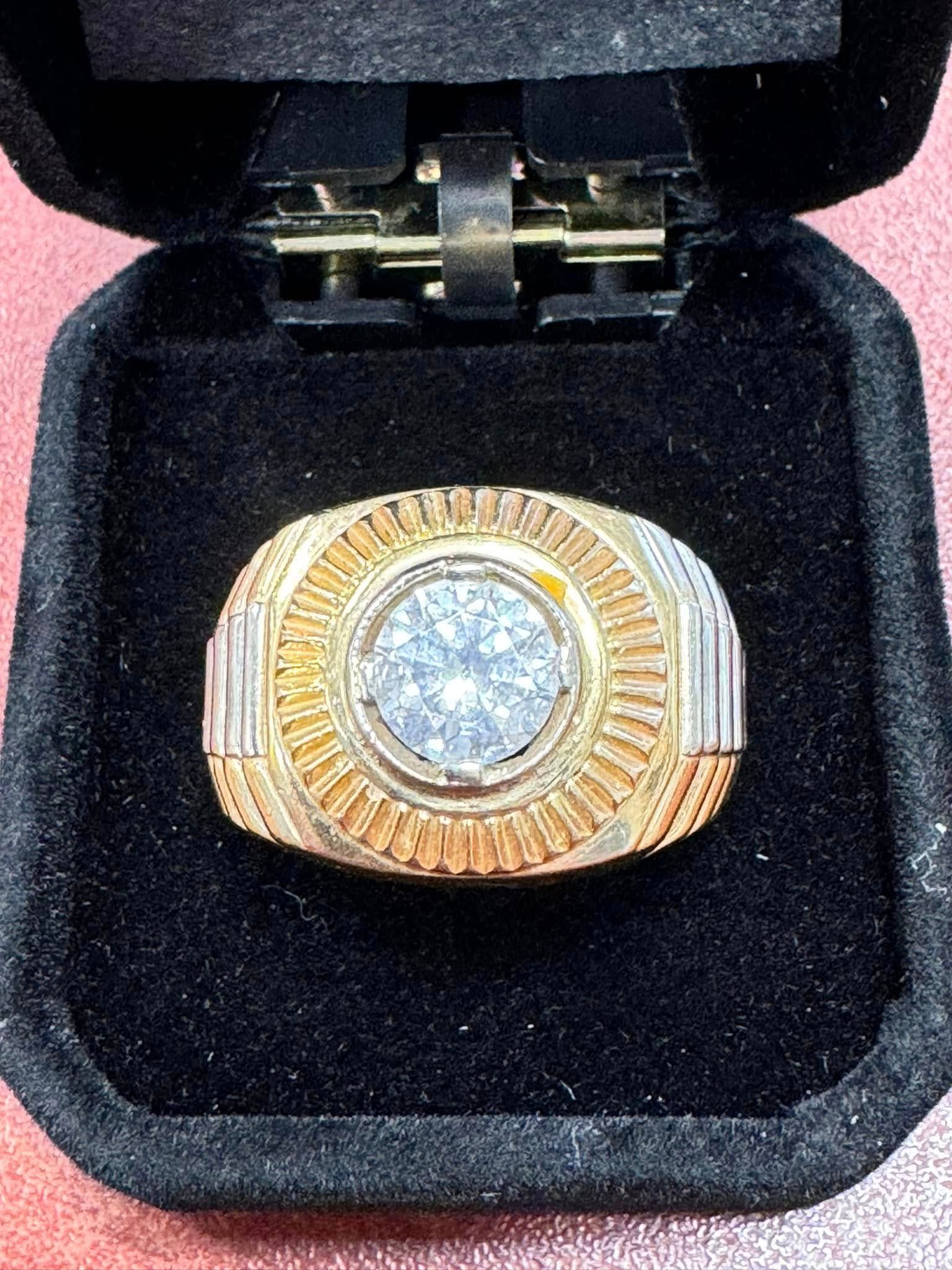
Estate jewelry is assessed for both material content and collector interest, which means age and craftsmanship can add value beyond what the gold or stones alone would bring. Hand-engraved details, period-specific settings like Art Deco geometric designs or Victorian filigree work, and original gemstone cuts that aren't used in modern jewelry all indicate pieces that may interest collectors or dealers who specialize in vintage items.
After the evaluation, you'll know which pieces hold value as-is, which are worth more for their materials than their design, and what options you have for selling or repurposing each item. You receive fair market offers with explanations of how age, condition, and craftsmanship influenced the assessment.
Single pieces and full estate collections are both accepted, and the service handles each item with respect for its origin and your family's situation. The process moves as quickly or as carefully as your timeline requires.
Estate Jewelry Questions From Families and Individuals
Handling estate jewelry often involves deciding what to keep, what to sell, and what's worth restoring, especially when you're unfamiliar with antique or vintage styles. Here's what the evaluation reveals.
What types of estate jewelry hold the most value?
Pieces with hand fabrication, natural gemstones, recognizable maker's marks, and design styles from specific periods like Art Deco or Edwardian often command premiums beyond material value.
How can you tell if estate jewelry is antique or just old?
Antique designation typically requires pieces to be at least 100 years old, and construction techniques, hallmarks, and design characteristics reveal approximate age and origin.
What should I do if I inherited a large collection?
Bring the entire collection in for a comprehensive review—some pieces may surprise you with value, while others may be worth more as material than as intact jewelry in Moline's current market.
How does condition affect estate jewelry value?
Damage or wear reduces value, but some collector pieces remain desirable even with condition issues, especially if repairs are feasible or if the design or origin is rare.
Why do some old pieces turn out to be worth only their metal value?
Mass production began earlier than many people realize, so age alone doesn't guarantee collector interest—common designs from any era are valued primarily for their gold or silver content.
Rock River Coins and Jewelry provides thoughtful, professional evaluation of estate jewelry with clear explanations and fair offers. Bring your inherited or antique pieces in for a detailed review of age, materials, and current market value.